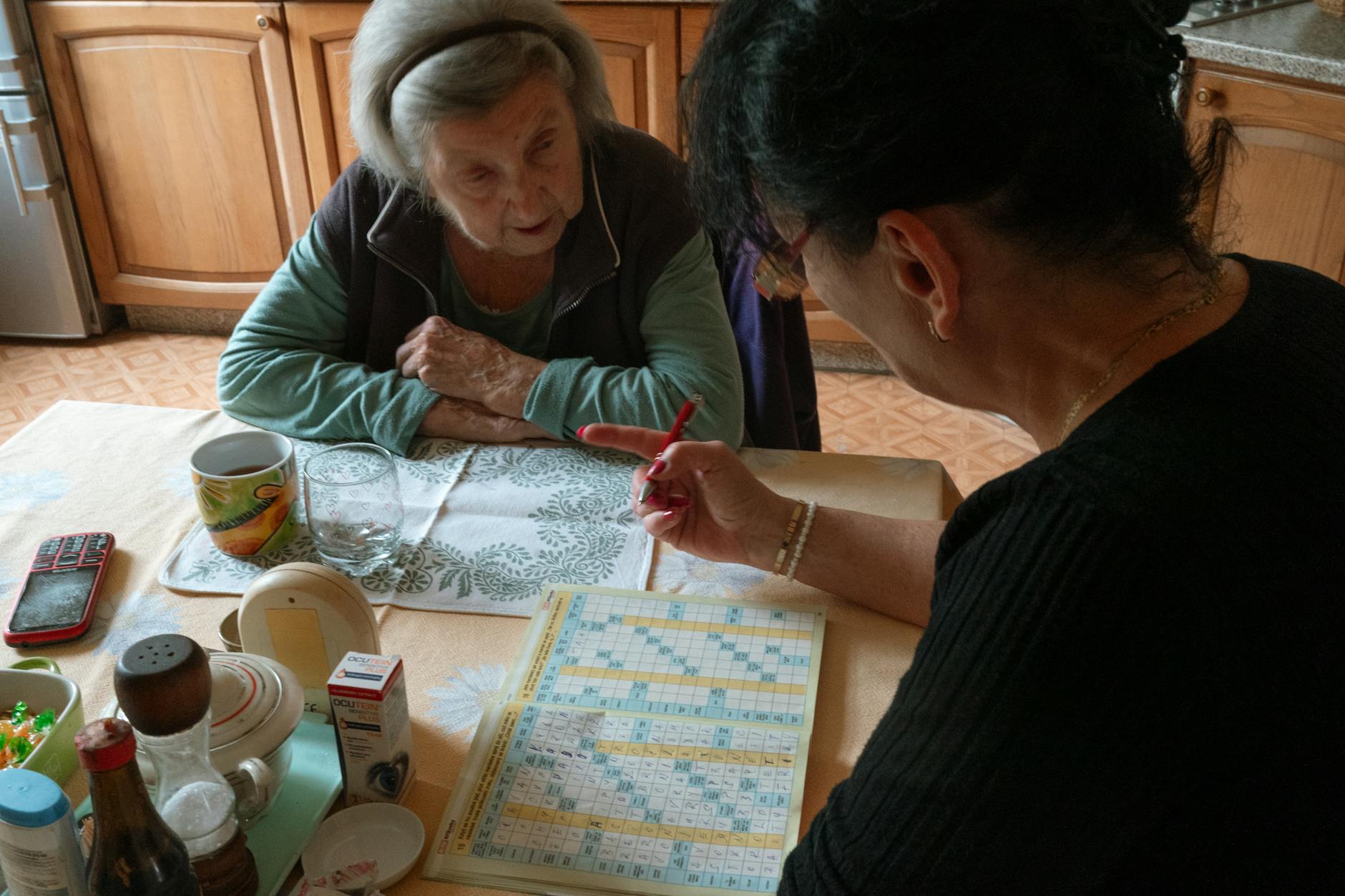
If you’re managing memory loss for a loved one, memory care offers a lifeline with structure and comfort. It creates safe, familiar spaces that ease anxiety and tailored routines that bring stability to daily life. Compassionate caregivers provide personalized support, understanding unique needs and histories. This reduces stress for both you and your loved one. Structured environments and empathetic care build trust and dignity. Stick around to uncover more ways memory care helps.
Key Takeaways
Memory care provides structured routines to reduce anxiety and bring stability for individuals with memory loss.
Personalized support in memory care respects individual needs, fostering dignity and comfort.
Safe, familiar environments in memory care minimize confusion with personal items and clear layouts.
Trained staff offer 24/7 compassionate care, ensuring safety and emotional reassurance.
Tailored activities in memory care enhance engagement and evoke positive memories.
Understanding Memory Loss Challenges
While memory loss can feel overwhelming, it’s important to recognize that it often stems from specific challenges tied to aging or conditions like Alzheimer’s.
Memory loss can be daunting, yet it often arises from aging or conditions like Alzheimer’s, highlighting the need for understanding and support.
As someone who cares deeply for others, you’ll notice how forgetfulness can disrupt daily routines, making simple tasks feel intimidating. You’re likely seeing loved ones struggle to recall names, events, or even where they placed everyday items. This isn’t just frustrating—it can lead to anxiety and isolation.
You can help by understanding these challenges. Pay attention to patterns in their memory lapses and offer patient, gentle reminders.
Encourage familiar activities to spark recognition and provide emotional support. Your empathy and presence make a difference, helping them navigate this difficult journey with dignity and connection. Specialized memory care programs, like those at Sage Oak of Lake Charles, can offer tailored support for cognitive impairment.
What Is Memory Care?
Let’s explore what memory care really means after understanding the challenges of memory loss. If you’re committed to helping others, you’ll find memory care is a specialized approach designed for individuals with Alzheimer’s or other forms of dementia.
It’s more than just assistance; it’s about creating a safe, structured environment in dedicated facilities or units where trained staff provide round-the-clock support.
You’ll see memory care focuses on tailored activities and routines that respect each person’s unique needs and history. Additionally, boutique memory care offers a warm, enriching atmosphere that provides purpose and fulfillment for residents.
As someone who serves, you can appreciate how these programs aim to enhance quality of life through compassionate engagement.
Benefits of Personalized Support
As you immerse yourself in the benefits of personalized support in memory care, you’ll quickly notice how it transforms lives.
When you serve someone with memory loss, tailored care meets their unique needs, fostering dignity and connection.
You’re not just providing help; you’re building trust by understanding their history, preferences, and challenges.
You’re more than a caregiver; you’re a trusted companion, embracing their story, likes, and struggles with heartfelt understanding.
This individualized approach guarantees they feel valued and supported every day. Additionally, structured daily routines play a crucial role in reducing anxiety and confusion, further enhancing their sense of comfort and stability.
Creating Safe and Familiar Environments
When crafting a memory care setting, you must prioritize creating safe and familiar environments that reduce anxiety and confusion. As someone dedicated to serving others, you can design spaces that feel like home by incorporating personal items, family photos, and comforting colors.
Ascertain clear signage and simple layouts to help loved ones navigate without frustration.
Safety’s key, so remove hazards like loose rugs or sharp objects, and install grab bars where needed. Soft lighting can soothe nerves, while familiar scents or music can evoke positive memories. Additionally, implementing personalized attention in memory care can enhance the comfort and well-being of residents, ensuring their unique needs are met.
Importance of Structured Daily Routines
Building on the foundation of a secure and comforting environment, you can further support loved ones by establishing structured daily routines. When you create a predictable schedule, you’re offering stability to someone experiencing memory loss. Consistency helps reduce anxiety, as they know what to expect each day, fostering a sense of control.
You’ll notice that regular meal times, rest periods, and personal care routines build trust and comfort. Stick to a familiar sequence, as even small disruptions can cause confusion. Additionally, involving dementia care specialists in the routine can enhance the effectiveness of the care provided and ensure that individual needs are met.
Therapeutic Activities for Engagement
While structured routines provide stability, incorporating therapeutic activities can greatly boost engagement for loved ones with memory loss. You can make a real difference by introducing meaningful pursuits that spark joy and connection.
Think about art therapy, where painting or crafting lets them express emotions, or music sessions that revive cherished memories through familiar tunes.
Consider art therapy, with painting or crafting to express feelings, or music sessions to awaken treasured memories through beloved melodies.
You’ll also find value in gentle exercise, like chair yoga, to keep their body active and mind focused.
Encourage participation in reminiscence activities, such as looking through old photos, to help them share stories from their past. Additionally, consider activities like pet therapy which can provide comfort and companionship, enhancing emotional well-being.
Role of Compassionate Caregivers
Engaging activities play a vital role in memory care, but the heart of quality support lies with compassionate caregivers. As someone dedicated to serving others, you understand that your role goes beyond tasks—it’s about building trust.
You’re the one who listens patiently, offering a kind word or gentle touch when confusion sets in. Your presence brings a sense of safety, helping those with memory loss feel valued and understood.
You also adapt to each person’s unique needs, recognizing their history and preferences. Whether you’re assisting with daily routines or simply sharing a quiet moment, your empathy shines through. Additionally, your ability to provide consistent mental engagement contributes to both their physical and mental health, enhancing their overall well-being.
Supporting Emotional Well-Being
As you focus on memory care, supporting emotional well-being becomes a key priority. You’re in a unique position to bring comfort to those with memory loss by recognizing their feelings and validating their experiences.
Listen actively when they share stories or express fears; your attention shows they matter. Offer gentle reassurance through kind words or a warm touch, helping them feel secure.
You can also create moments of joy by engaging them in familiar activities, like listening to beloved music or looking at old photos. These small acts spark connection and reduce anxiety. Additionally, incorporating specialized long-term care can further enhance their quality of life by providing tailored support and activities that stimulate cognition.
Easing Family Concerns and Stress
When caring for a loved one with memory loss, you often face intense stress and worry about their well-being. It’s hard to balance your own life while ensuring they’re safe and supported.
Memory care communities can ease this burden by providing a secure environment with trained staff who understand their needs. You’ll find peace knowing professionals are there 24/7, ready to handle emergencies and offer compassionate care.
Moreover, many facilities keep you connected through regular updates and family involvement opportunities. You’re not alone in this journey; memory care offers resources and support groups to help you cope. Additionally, the integration of personal histories into daily routines helps create a comforting atmosphere that promotes well-being.
Adapting to Individual Needs Over Time
Since memory loss progresses differently for everyone, memory care communities prioritize adapting to your loved one’s changing needs over time. You’ll notice how staff members regularly assess their condition, adjusting care plans to match evolving challenges.
Whether it’s modifying daily routines or offering new therapies, they’re committed to ensuring comfort and dignity at every stage.
As a caregiver, you can trust that these communities focus on personalized support. They’ll work with you to understand your loved one’s history and preferences, tailoring activities and interactions accordingly.
If abilities shift, they’ll pivot quickly—whether it’s extra help with tasks or emotional reassurance. By staying flexible, they help you provide the best for someone dear, easing your burden with compassionate, attentive care. Additionally, memory care communities often feature secure environments designed to enhance resident safety and prevent wandering.
Frequently Asked Questions
How Much Does Memory Care Typically Cost?
Wondering how much memory care typically costs? You’re not alone in seeking answers to support loved ones.
Costs vary widely, averaging between $4,000 to $7,000 monthly, depending on location, facility, and care level.
Don’t let numbers overwhelm you; explore options like financial aid or insurance.
You’ve got the heart to serve—reach out to local centers, ask questions, and find a solution that fits your family’s needs and budget.
What Qualifications Do Memory Care Staff Have?
Wondering what qualifications memory care staff have? You’ll be glad to know they’re trained to support with compassion.
Expect them to have specialized training in dementia and Alzheimer’s care, often with certifications like Certified Dementia Practitioner. They’ve got skills in managing behaviors, ensuring safety, and providing emotional support.
Many also receive ongoing education to stay updated. You can trust they’re equipped to serve your loved ones with dedication and expertise.
Are Pets Allowed in Memory Care Facilities?
Wondering if pets are allowed in memory care facilities? You’ll be glad to know that many places welcome pets, recognizing their comfort and joy for residents.
Check with the facility you’re considering, as policies vary—some allow personal pets, while others offer visiting animals for therapy.
You can help loved ones by ensuring their furry friends bring smiles, fostering a nurturing, homelike environment for everyone involved.
How Is Medication Managed in Memory Care?
Wondering how medication is managed in memory care?
You’ll be glad to know that staff take this responsibility seriously, ensuring your loved one’s health.
They’ll monitor prescriptions, administer doses on time, and track any side effects.
You can trust they’re coordinating with doctors to adjust plans as needed.
Can Residents Leave the Memory Care Facility?
Wondering if residents can leave a memory care facility? You’re right to ask, as you care deeply about their well-being.
Generally, you’ll find that residents can’t leave independently due to safety concerns. However, you can arrange supervised outings or family visits with staff approval.
Check the facility’s policies, and don’t hesitate to advocate for their happiness. Your dedication guarantees they feel secure while still enjoying life’s moments.